Selling a House with Foundation Issues – Foundation problems can feel like a serious obstacle when you’re trying to sell your home. Cracks in the walls, uneven floors, and structural concerns make buyers nervous and can drag out the selling process for months. But a damaged foundation doesn’t mean your house is unsold forever.
With the right approach, you can still move forward and close a deal. This list walks you through seven practical strategies that will help you sell your home despite foundation damage.
- Sell Directly to a Cash Buyer Like Bobby Buys Homes
Selling a House with Foundation Issues
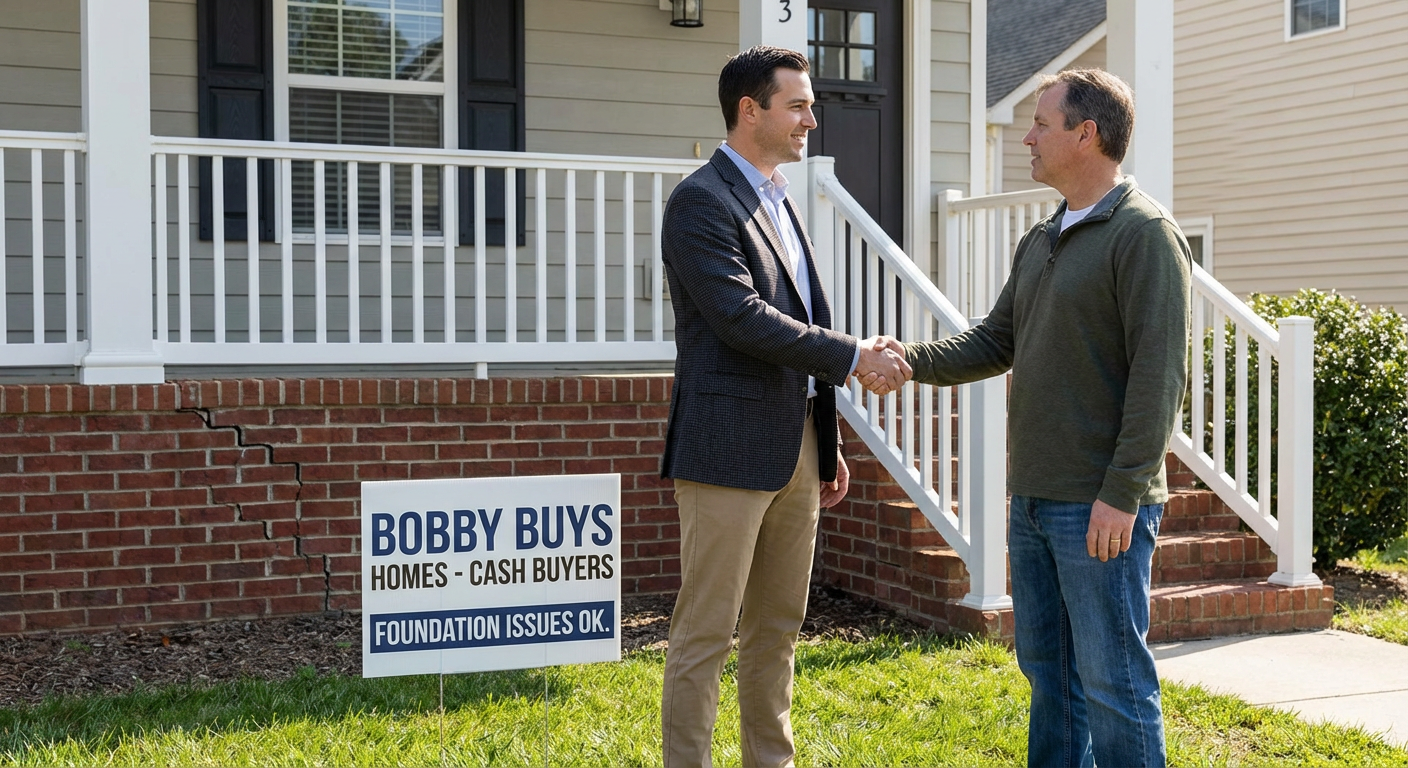
One of the fastest ways to sell a house with foundation damage is to work with a cash buyer who specializes in properties that need repairs. Bobby Buys Homes purchases houses in any condition, which means you won’t need to fix the foundation before closing. If you are searching “sell my house fast Sacramento” then you need our help.
They handle all the repairs themselves after the sale, so you can skip the stress of hiring contractors and managing a construction project. The process is typically quick, with offers made within days and closings in as little as a week or two. This option works well if you need to sell fast or simply don’t want to deal with the headaches of a traditional sale.
- Get a Professional Foundation Inspection and Estimate
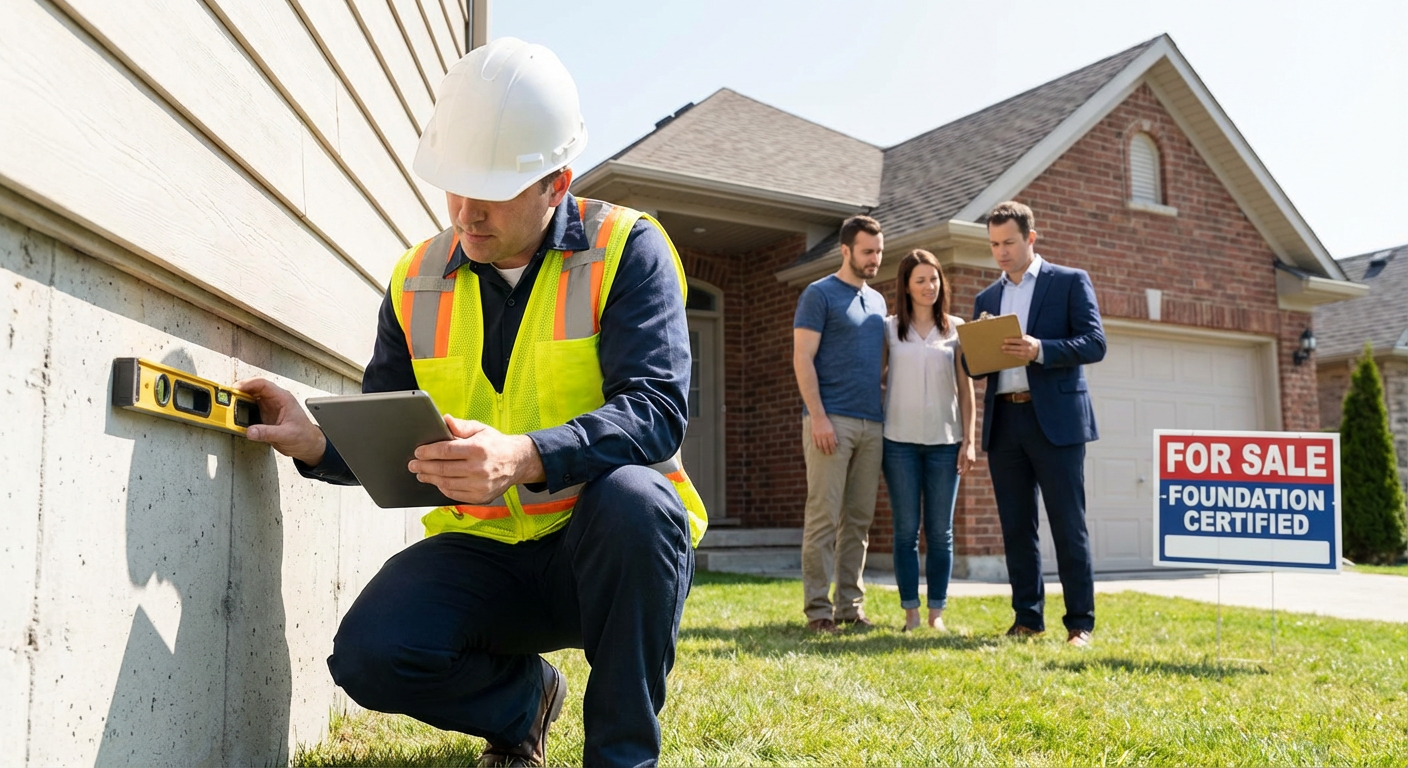
Before you list your home or talk to buyers, hire a licensed structural engineer to inspect the foundation and provide a detailed report. This document will outline exactly what’s wrong, how serious the damage is, and what it will cost to repair.
Having this information upfront shows buyers that you’re being transparent, which builds trust. It also gives you a clear number to work with when negotiating price reductions or repair credits. Some buyers will appreciate that you’ve already done the legwork and will feel more confident moving forward with the purchase. Selling a house with foundation issues can be accomplished with the right strategy.
- Price the Home Accordingly
Buyers expect a discount when a house has foundation problems, so pricing your home realistically from the start is critical. Look at comparable homes in your area that sold recently, then subtract the estimated cost of foundation repairs plus a little extra to account for buyer hesitation.
If repairs will cost $15,000, you might reduce your asking price by $20,000 to $25,000 to make the deal attractive. Overpricing a home with known issues will scare off buyers and leave your property sitting on the market for months. A fair price gets attention and can even spark competition among investors or contractors looking for projects.
- Offer a Repair Credit at Closing
Instead of fixing the foundation yourself, you can offer buyers a credit at closing to cover the cost of repairs. This approach lets the buyer choose their own contractor and manage the work on their timeline. It also means you don’t have to front the money for repairs or deal with construction while you’re trying to sell.
Make sure the credit amount is based on a real estimate from a licensed professional, not just a guess. Some buyers prefer this option because it gives them control, and it can make your home more appealing than similar properties where the seller refuses to budge on price or repairs. If you are thinking of selling a house with foundation issues then give us a call.
- Target Investors and House Flippers
Real estate investors and house flippers are often looking for properties that need work because they can buy them below market value and profit from the repairs. These buyers aren’t scared off by foundation issues the way traditional homebuyers are. They have the experience, connections, and cash to handle major repairs quickly.
Marketing your home to this audience can speed up your sale significantly. You can reach investors through local real estate groups, online forums, or by working with an agent who specializes in distressed properties. Just be prepared for lower offers, since these buyers need room to make a profit after fixing the foundation.
- Disclose Everything Honestly
Trying to hide foundation problems is a bad idea that can lead to legal trouble down the road. Most states require sellers to disclose known defects, and foundation issues definitely qualify. Be upfront about the damage in your listing and in all conversations with potential buyers. Provide copies of inspection reports, repair estimates, and any documentation of past work done on the foundation.
Honesty protects you from future lawsuits and helps you build trust with serious buyers. The right buyer will appreciate your transparency and will be more willing to work with you on price and terms.
- Consider Making Repairs Before Listing
If you have the time and money, fixing the foundation before you list the house can open up your buyer pool and potentially increase your sale price. A repaired foundation with a transferable warranty makes traditional buyers and lenders much more comfortable. You’ll likely recoup most of the repair costs through a higher sale price and faster closing.
However, foundation work is expensive and time-consuming, so this strategy only makes sense if you can afford to wait and invest several thousand dollars upfront. Get multiple quotes from reputable contractors and make sure any work comes with a solid warranty that you can pass along to the buyer. Don’t let selling a house with foundation issuesmake you reconsider moving on.
Selling a house with foundation issues takes a bit more planning than a standard sale, but it’s far from impossible. Whether you choose to sell as-is to a cash buyer, offer repair credits, or fix the problem yourself, there’s a path forward that fits your situation. The key is to be honest, price your home fairly, and understand what different types of buyers are looking for. With the right strategy, you can close the deal and move on to your next chapter.
If you want to sell my house fast in Sacramento regardless of condition, Bobby Buys Homes can help.
Areas we buy houses:
Marie-Gordon Heights Cash Buyers – Sell Your House Fast for Cash in San Diego CA